
On delta flight dl275 diverted lax, passengers experienced a rare yet significant event that sparked widespread attention. The flight, originally scheduled from Detroit to Tokyo, was rerouted to Los Angeles International Airport (LAX) due to an engine malfunction. The anti-ice system failure on the aircraft’s Rolls-Royce Trent XWB engines created a safety concern, prompting the crew to make a precautionary diversion.
Although flight diversions are uncommon, they highlight the importance of aviation safety protocols and the swift action taken by the flight crew and air traffic control (ATC) to ensure passenger safety. In this article, we’ll explore the details of what happened, why the diversion occurred, and the broader operational impact on airlines. We’ll also discuss how LAX played a key role in managing the emergency and the passenger assistance provided during this unforeseen situation.
What Happened to Delta Flight DL275? A Detailed Overview
Delta Flight DL275 was a long-haul international flight traveling from Detroit to Tokyo on an Airbus A350-900. As the aircraft was cruising at high altitude, the crew received alerts that indicated a malfunction in one of the engine systems. While diversions are not common, they are not unheard of in the aviation world. A flight diversion typically occurs when an airline must take the precautionary step of landing at an alternative airport due to safety, mechanical, or medical issues.
In this case, the alert signaled an issue with the engine’s anti-ice system. This system plays a crucial role in preventing ice from building up on critical parts of the engine, which is essential during long-haul flights, especially over remote areas like the ocean. The malfunction meant the aircraft could no longer safely continue to Tokyo, and the decision was made to divert the flight to Los Angeles International Airport (LAX).
Why Was Delta Flight DL275 Diverted LAX?
The primary reason for the diversion of Delta Flight DL275 was a failure in the anti-ice system of one of the aircraft’s engines. This system is designed to protect the engine from the buildup of ice, which can cause damage to crucial engine components. When the system fails, it can result in decreased engine performance, putting the entire flight at risk. For this reason, the flight crew made the decision to divert to LAX Airport, which has the facilities and capabilities to handle such situations.
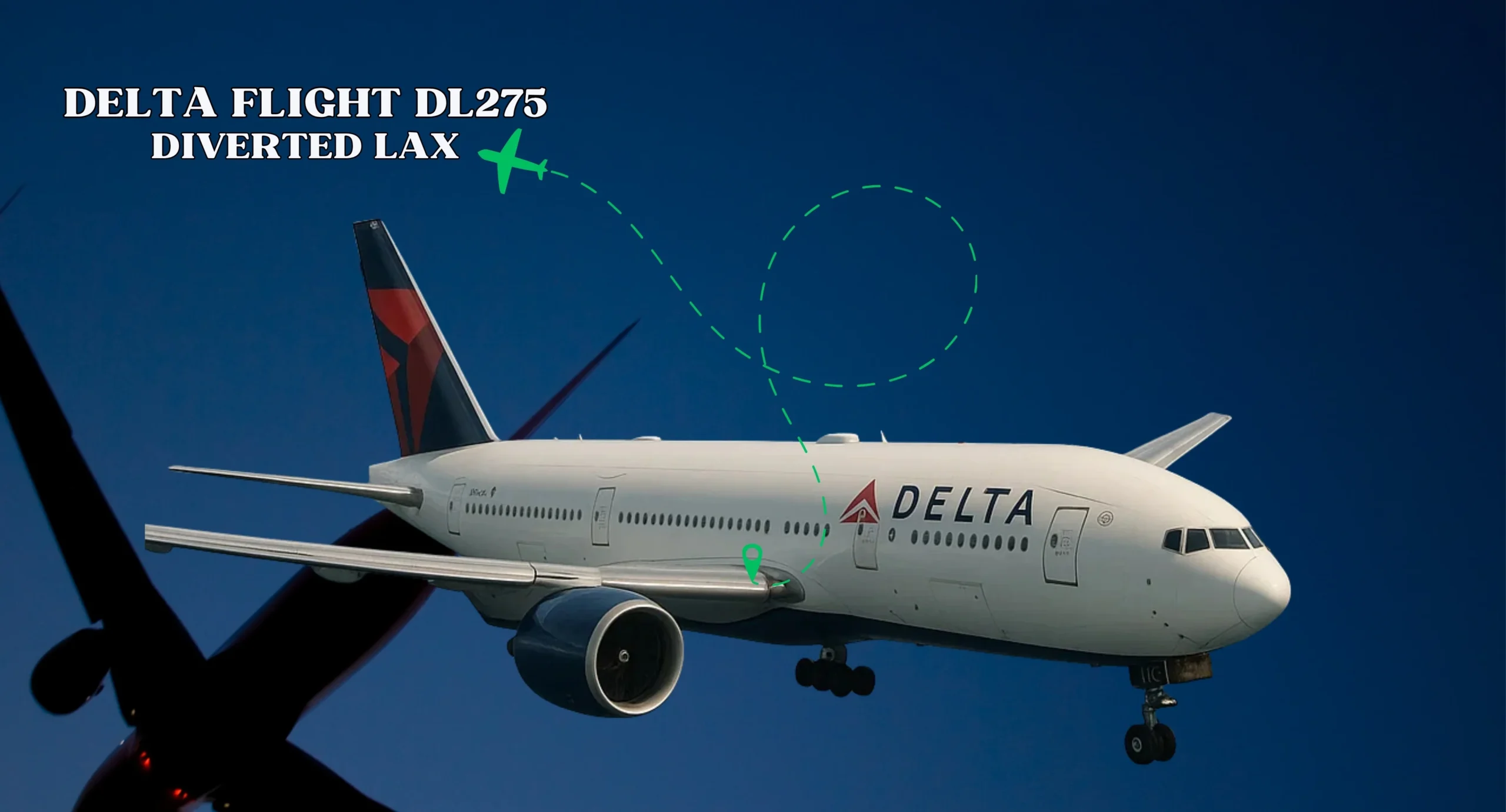
Although other airports were geographically closer, LAX offered the best option in terms of maintenance capabilities. It has specialized aircraft maintenance facilities and a skilled team of engineers capable of dealing with the Rolls-Royce Trent XWB engines that power the Airbus A350. This made LAX the most suitable location for the emergency landing, despite its further distance compared to other nearby airports.
The Passenger Experience During the Flight Diversion
For passengers aboard Delta Flight DL275, the diversion was a tense and unsettling experience. Mid-flight, the passengers were informed that the flight would be landing at an alternative airport due to a technical issue. The flight attendants were trained in in-flight emergency protocols and worked quickly to reassure passengers. Even in moments of uncertainty, the crew maintained a calm demeanor and kept passengers informed about the situation.
Many passengers shared their relief when the aircraft landed safely at LAX Airport, and the professionalism displayed by the crew helped ease the anxiety during this unexpected detour. Despite the tense moments, the passenger experience during diversions often comes down to the ability of the flight crew to manage the situation and keep the passengers as calm and informed as possible.
Understanding the Engine Issue and Why It Led to the Diversion
The engine issue on Delta Flight DL275 stemmed from a malfunction in the anti-ice system. The system is designed to prevent ice from forming on the engine’s critical parts during flight, particularly over icy or high-altitude regions. When the system failed, it created a potential risk for engine performance, which could have led to a dangerous situation if the aircraft continued on its intended path.
The malfunction affected the performance of the Rolls-Royce Trent XWB engines, which are known for their reliability. However, even the most advanced systems can face failures. This type of aircraft systems failure can lead to the necessity of a flight diversion, especially when the aircraft is flying over large stretches of ocean where immediate assistance would be unavailable.
How Does an Emergency Diversion Process Work in Aviation?
The flight diversion procedure follows strict guidelines to ensure passenger safety and minimize risks. When a diversion is necessary, the pilot communicates with air traffic control (ATC), which helps to reroute the flight to the nearest available airport. Pilots also evaluate the situation, including fuel levels, the condition of the aircraft, and the proximity of potential airports for landing.
The airline’s flight operations center is also involved in managing the diversion. The center coordinates with ground staff, prepares for landing, and makes arrangements for the next steps once the aircraft touches down. The goal is always to ensure the safety-first approach in aviation, with every action taken to prioritize passengers’ well-being.
The Role of Air Traffic Control and the Aviation Community in Diverting Flights
Air traffic control (ATC) plays a critical role in emergency aircraft rerouting. Once a flight diversion is initiated, ATC helps by providing new flight paths and coordinating with other flights to ensure the diverted aircraft has a clear route. ATC also communicates with ground services at the destination airport to prepare for the incoming flight.
The aviation community, which includes maintenance crews, engineers, and airline support teams, works together during a diversion to manage the logistics of handling an aircraft when it lands. Their role is essential in quickly resolving any issues and ensuring that the aircraft can return to service as soon as possible.
Why LAX? Understanding the Airport’s Role in Managing Such Emergencies
Los Angeles International Airport (LAX) is known for its capacity to handle large aircraft and manage complex aviation emergencies. In this case, LAX was chosen for its advanced maintenance facilities that are capable of servicing the Airbus A350. The airport is equipped with specialized tools and highly trained personnel, making it an ideal location for dealing with the engine malfunction experienced by Delta Flight DL275.
Additionally, LAX has ample runway capacity, available gates for large aircraft, and strong collaboration with Delta Airlines’ maintenance team. The airport’s well-equipped facilities helped minimize the time needed for inspections and repairs, allowing passengers to be assisted quickly.
Impact on Passengers: Rebooking, Compensation, and Customer Service
The diversion of Delta Flight DL275 caused significant disruption for passengers. After the plane landed at LAX, passengers were informed about the necessary rebooking and accommodations. Delta Airlines quickly initiated passenger rebooking to get travelers to their destinations, either on the next available flight or by rerouting them through alternative airports.
Delta also provided passenger assistance by offering hotel accommodations for those whose flights were delayed overnight. Meal vouchers and ground transportation were made available for passengers who needed assistance during their layover. Although flight delay compensation is not always guaranteed, depending on the jurisdiction, Delta Airlines made efforts to offer goodwill gestures to passengers impacted by the diversion.
The Broader Aviation Implications of Flight DL275’s Diversion
Flight DL275’s diversion serves as a reminder of the importance of maintaining high standards of aviation safety and airline logistics. Even with the best systems in place, issues can still arise, and airline operations must be prepared for these events. The incident has prompted discussions in the aviation community about improving predictive maintenance in aviation and strengthening engine health monitoring systems to catch issues before they lead to diversions.
The operational impact on airlines from such diversions can be substantial, affecting schedules, crew rotations, and aircraft availability. Aviation crisis management strategies are essential for airlines to handle such disruptions smoothly and efficiently, ensuring that passenger safety and satisfaction are prioritized.
Key Lessons for Airlines and Passengers: What Can Be Learned from DL275?
One of the most important lessons from delta flight dl275 diverted lax is the importance of flight crew training in handling emergencies. The professionalism displayed by the flight attendants and pilots helped reassure passengers and ensured their safety. For passengers, the experience highlights the need to stay calm and trust the airline’s procedures during flight diversions.

For airlines, this incident underscores the need for continuous training and operational readiness to handle unexpected issues. It also emphasizes the importance of maintaining robust airline response plans and efficient coordination between air traffic control (ATC), ground services, and maintenance teams.
FAQs
Why are so many Delta flights being cancelled today?
Delta flights may be cancelled due to factors like bad weather, staffing shortages, maintenance issues, or air traffic disruptions. Flight delays and cancellations can also stem from operational challenges, including crew availability.
What terminal is Delta at LAX Arrivals?
Delta Airlines operates out of Terminal 2 and Terminal 3 at LAX. Passengers arriving on Delta flights typically use these terminals, depending on the specific flight and gate assignments.
Are Delta seats wider?
Yes, Delta offers wider seats on some aircraft, particularly in Delta Comfort+ and First Class cabins. On standard Main Cabin seats, the width varies but is competitive with other major airlines.
What is LAX airport famous for?
LAX is famous for being one of the busiest airports in the world, serving as a major hub for international and domestic flights. It is also known for its iconic “Theme Building” and the striking design of its terminals.
What is rated the worst airport in the world?
While opinions may vary, JFK Airport (New York) has been ranked among the worst airports due to long delays, outdated facilities, and frequent complaints about cleanliness and customer service.
Conclusion
Delta flight dl275 diverted lax highlighted the importance of aviation safety and the swift actions taken by the airline’s crew and ground support teams. While flight diversions are rare, they are a reminder of how critical it is for airlines to be prepared for the unexpected. By continuing to improve predictive maintenance, engine health monitoring, and flight crew training, the aviation industry can continue to prioritize passenger safety above all else.
For More Information Keep Visiting AllTechZones.
