

Your credit score is one of the most important numbers in your financial life. Banks, mortgage lenders, credit card companies, and other financial institutions use it to evaluate your creditworthiness before approving loans or offering lower interest rates.
A higher credit score not only improves your chances of loan approval but can also save you thousands of dollars in interest over time. Whether you are planning to apply for a mortgage, auto loan, business loan, or a premium credit card, improving your credit profile should be a top priority.
This guide explains practical strategies that can help increase your credit score and improve your financial opportunities.
What Is a Credit Score?
A credit score is a numerical rating that reflects how responsibly you manage borrowed money. Lenders review this score to estimate the risk of lending to you.
Your score is generally influenced by:
- Payment history
- Credit utilization
- Length of credit history
- Types of credit accounts
- Recent credit inquiries
Maintaining healthy financial habits can gradually improve your score.
Always Pay Bills on Time
Payment history is one of the biggest factors affecting your credit score.
Missing even one payment may remain on your credit report for years and negatively affect future loan applications.
Set automatic payments or reminders to ensure you never miss due dates for:
- Credit cards
- Personal loans
- Auto loans
- Mortgage payments
- Utility bills (where applicable)
Consistency builds a strong credit profile.
Reduce Credit Card Balances
High credit card balances can lower your credit score, even if you make payments every month.
Financial experts often recommend keeping your credit utilization below 30% of your available credit limit. Lower utilization demonstrates responsible borrowing behavior and can improve your score over time.
Avoid Applying for Too Many Loans
Every loan or credit card application may trigger a credit inquiry.
Submitting multiple applications within a short period may signal financial stress to lenders and temporarily reduce your credit score.
Only apply for new credit when it is genuinely needed.
Review Your Credit Report
Errors sometimes appear on credit reports.
Review your report regularly for:
- Incorrect balances
- Duplicate accounts
- Fraudulent activity
- Incorrect payment history
- Personal information errors
Disputing inaccurate information can improve your credit profile if mistakes are corrected.
Keep Older Credit Accounts Open
The age of your credit history also influences your score.
Older accounts demonstrate long-term financial responsibility. Closing old accounts unnecessarily may shorten your average credit history and reduce your available credit limit.
If an account has no annual fee, keeping it open may benefit your credit score.
Diversify Your Credit Mix
Responsible management of different types of credit can strengthen your financial profile.
Examples include:
- Credit cards
- Auto loans
- Mortgage loans
- Student loans
- Personal loans
However, never borrow money simply to improve your credit mix. Only use credit when it supports your financial goals.
Build Healthy Financial Habits
Improving your credit score is not a quick process. It requires consistent financial discipline.
Good habits include:
- Spending within your budget
- Paying more than the minimum payment whenever possible
- Building an emergency fund
- Avoiding unnecessary debt
- Monitoring your finances regularly
These habits improve both your credit score and your long-term financial stability.
Benefits of a High Credit Score
A strong credit score offers many financial advantages, including:
- Higher chances of loan approval
- Lower mortgage interest rates
- Better auto loan offers
- Premium credit card rewards
- Higher borrowing limits
- Lower insurance costs in some regions
- Greater financial flexibility
Over time, these benefits can save significant amounts of money.
Common Credit Score Mistakes
Avoid these common mistakes:
- Missing payment deadlines
- Maxing out credit cards
- Closing old accounts without reason
- Applying for several loans at once
- Ignoring credit report errors
- Borrowing more than you can comfortably repay
Responsible financial decisions are the key to maintaining excellent credit.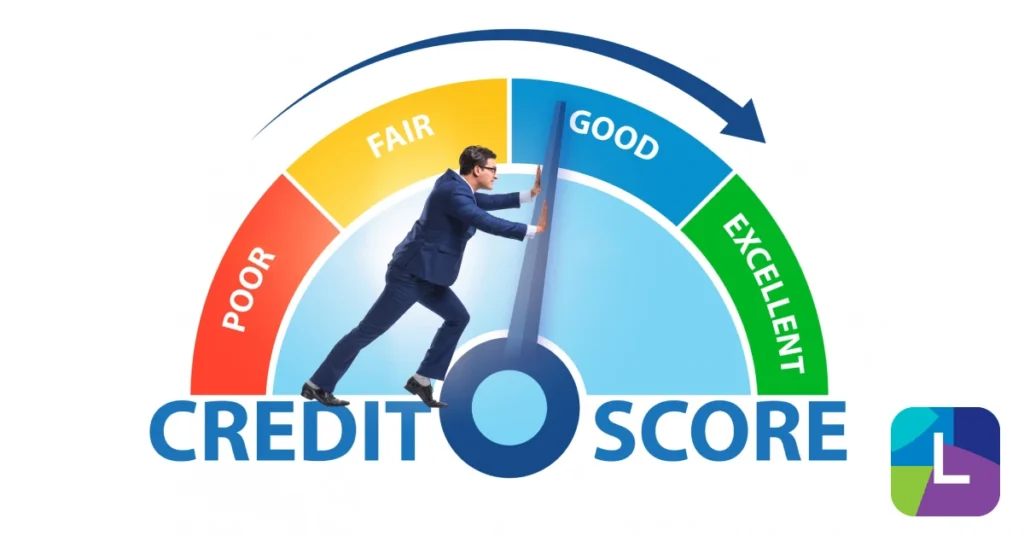
Final Thoughts
A strong credit score is one of the most valuable financial assets you can build. By paying bills on time, reducing debt, keeping credit utilization low, and monitoring your credit report regularly, you can improve your financial reputation and qualify for better loan and credit card offers.
Good credit is not built overnight, but consistent financial habits can create lasting benefits that support your future goals, from buying a home to starting a business or investing in long-term wealth.